August 7, 2026
"They Didn't Bring Us Here for Anything Else, Just to Die." How Russia Is Funneling Colombians Into Suicide Missions - And Denying Everything.
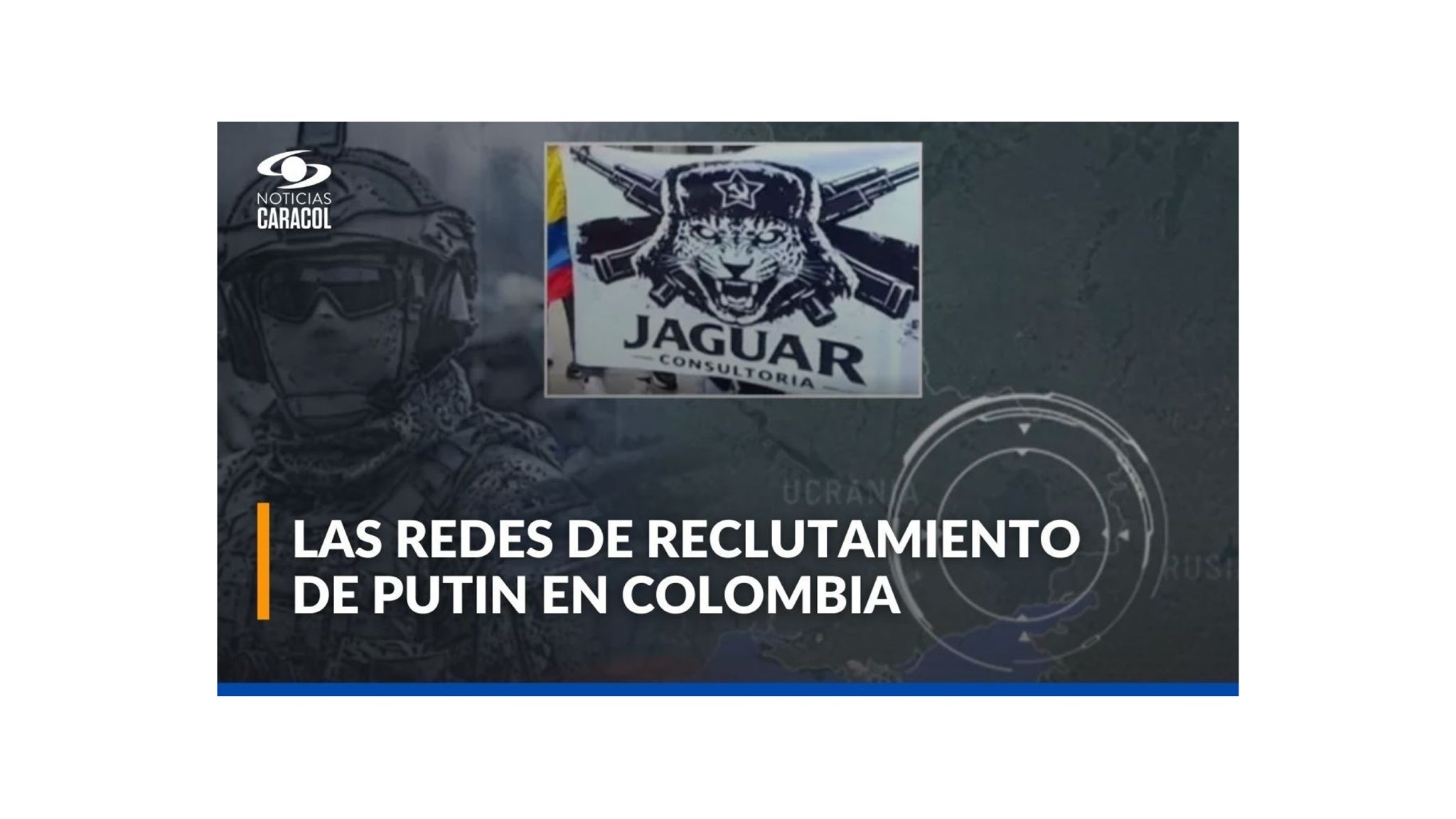
Noticias Caracol published an investigation on covert Russian networks recruiting Colombian men with false promises of $35,000 signing bonuses and Russian citizenship. Russian recruiters and local helpers are moving the menthrough safe houses in Bogotá, across Brazil, through Dubai to eventually send them to assault positions in Ukraine - with little training or no training at all.
The Russian Embassy in Colombia says it has nothing to do with it.
The Platoon That Was Wiped Out
Hamilton León arrived in Russia at the end of March 2026. He was part of a unit of 17 soldiers, most of them Colombian. He sent videos back to his sister Sonia León in Bucaramanga - training footage.
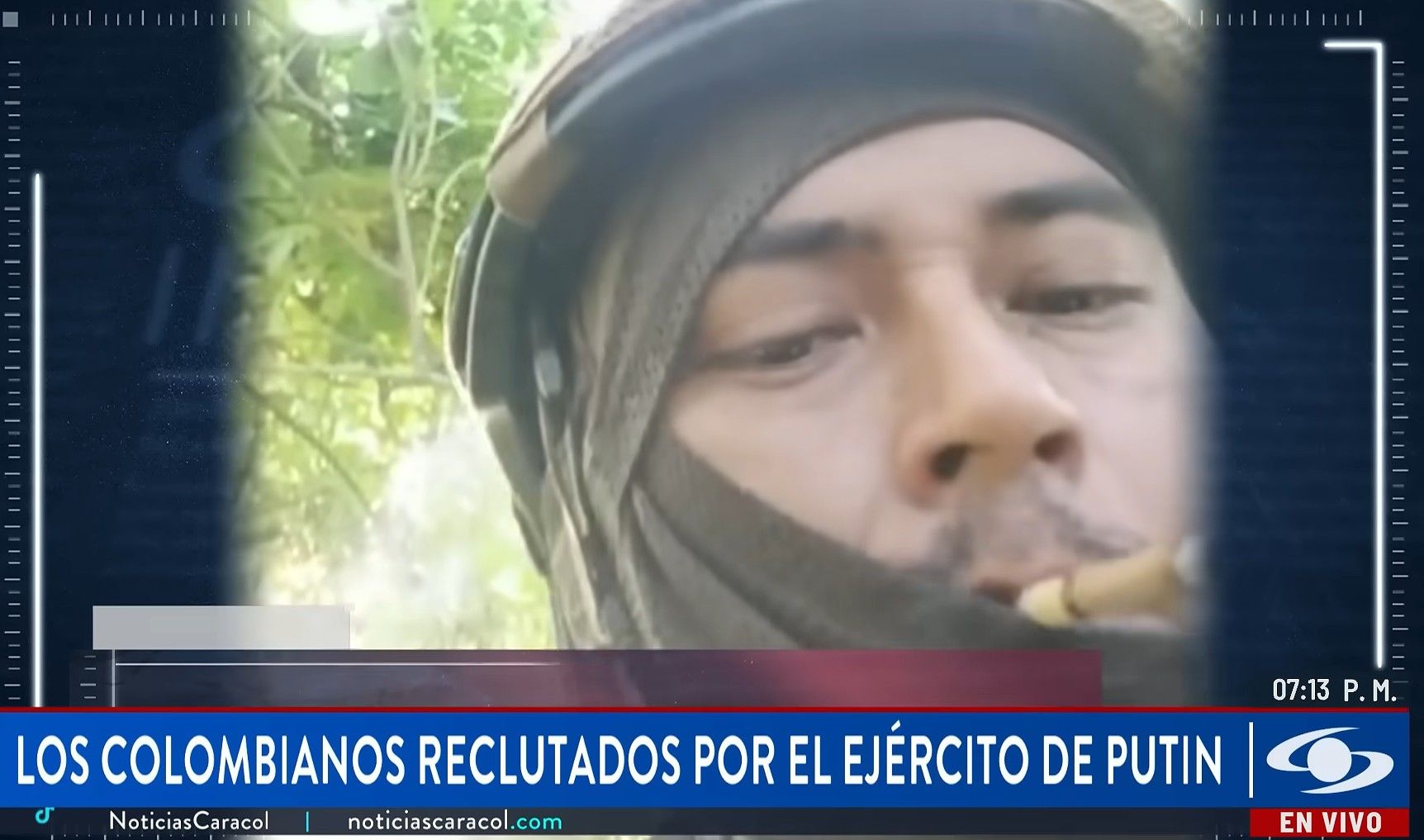
"He'd send photos every day and say, 'We're doing this, they're training us, there's food here,'" Sonia told Noticias Caracol. "They [recruiters, ed.] paint a quality of life that maybe you don't have here. So it's easier for them [to recruit, ed.]. They tell them there's not that much danger, that yes they'll be there, but they never tell them they'll be in the war's ground zero."
By early June 2026, the tone of Hamilton's messages had changed completely. The platoon had been sent into a minefield. Completely mined, surrounded by drones. Companions fell on mines - legs destroyed, bodies destroyed. There was no evacuation. They died of blood loss. Others lay in agony for days.
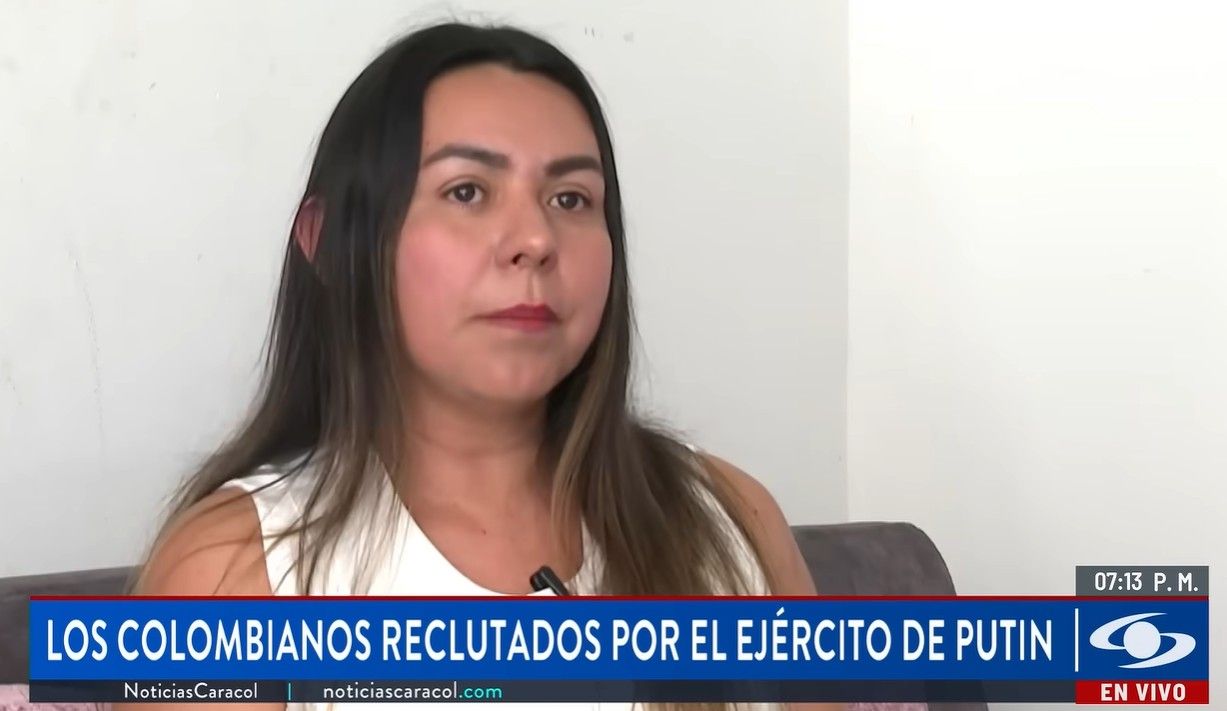
"This is a total mess. Dead bodies on all sides," Hamilton recorded. "I'm here alone, physically alone. It's like hell. It's hell. To get out of that field is a miracle."
He filmed a companion with a destroyed foot, unable to move. Drones were tracking heat signatures, so the wounded had to be left behind to avoid leading drones to the others. Hamilton kept moving.
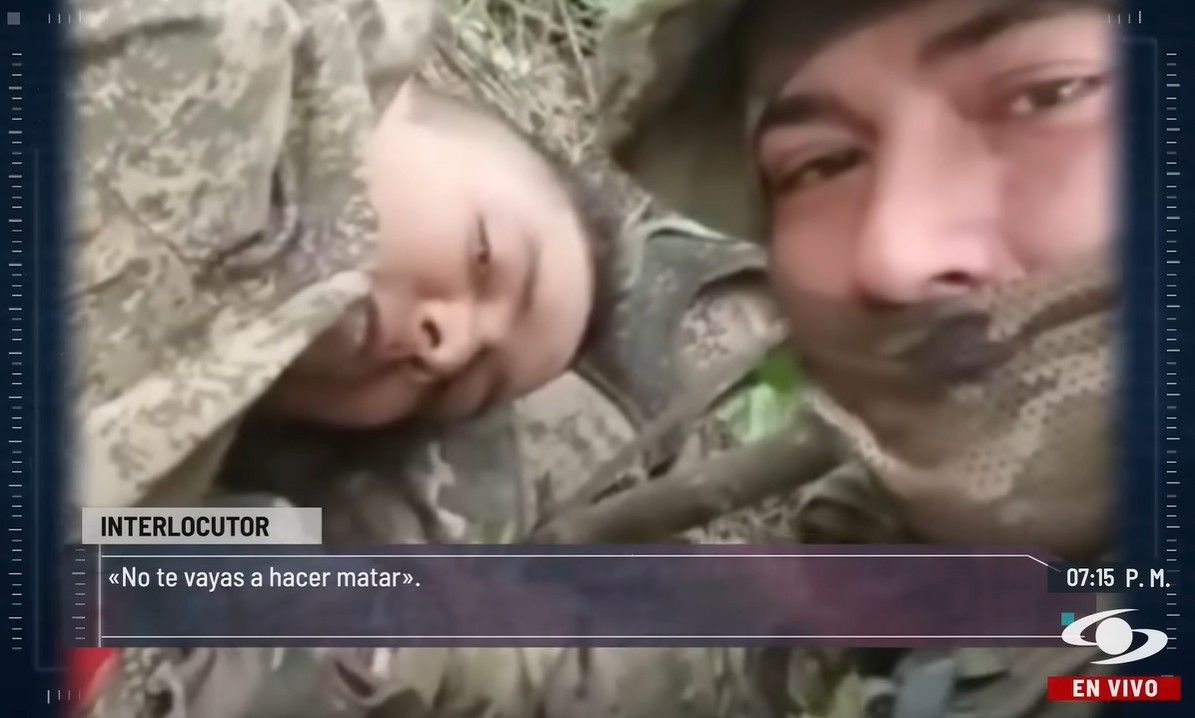
In one recording, he stated his position: 43 kilometres from the nearest evacuation point. No food. No water. Twelve days without eating.
On June 15, Hamilton reached a Russian military base and sent Sonia a final message: "Everyone is dead. Go to the MFA and ask for me, help me." He then apparently tried to escape from the base out of desperation. His last message was: "Help me because the Russians are going to kill me."
Neither the Colombian nor the Russian authorities have responded to Sonia's requests for information since that day.
"I think at some point they'll tell me he's died," she said. "But if they tell me he disappeared or died, that's not what happened. They killed him."
The Network: Jaguar Consultoría
The recruitment pipeline identified by Noticias Caracol runs through a network of intermediaries operating inside Colombia. Colombians who passed through it, and their families, point to a company called Jaguar Consultoría as one of the main vehicles.
Noticias Caracol investigated and found it is a shell company: no Chamber of Commerce registration, no fixed address, no identifiable owners. As complaints about disappeared Colombians began to multiply, Jaguar Consultoría changed its name on social media and WhatsApp channels to "Compañía a los Osos" and shifted its meeting locations in Bogotá.
Hotels and apartments in the south and west of Bogotá were used to gather men recruited from across the country. Dozens at a time - sometimes around 60 people crowded into a single apartment, told to stay quiet. Recruiters covered costs: passport processing, identity documents, even shoes for men who couldn't afford them. Recruits were coached on what to say at immigration checkpoints.
Jairo Orosco and his brother Oscar were recruited in mid-April 2026. Jairo worked as a cook; Oscar as a bricklayer. Neither had any military experience. A contact told Jairo the deal: a $35,000 USD signing bonus, a monthly salary of $3,500 USD, and Russian citizenship for the recruit and his family after six months of service.
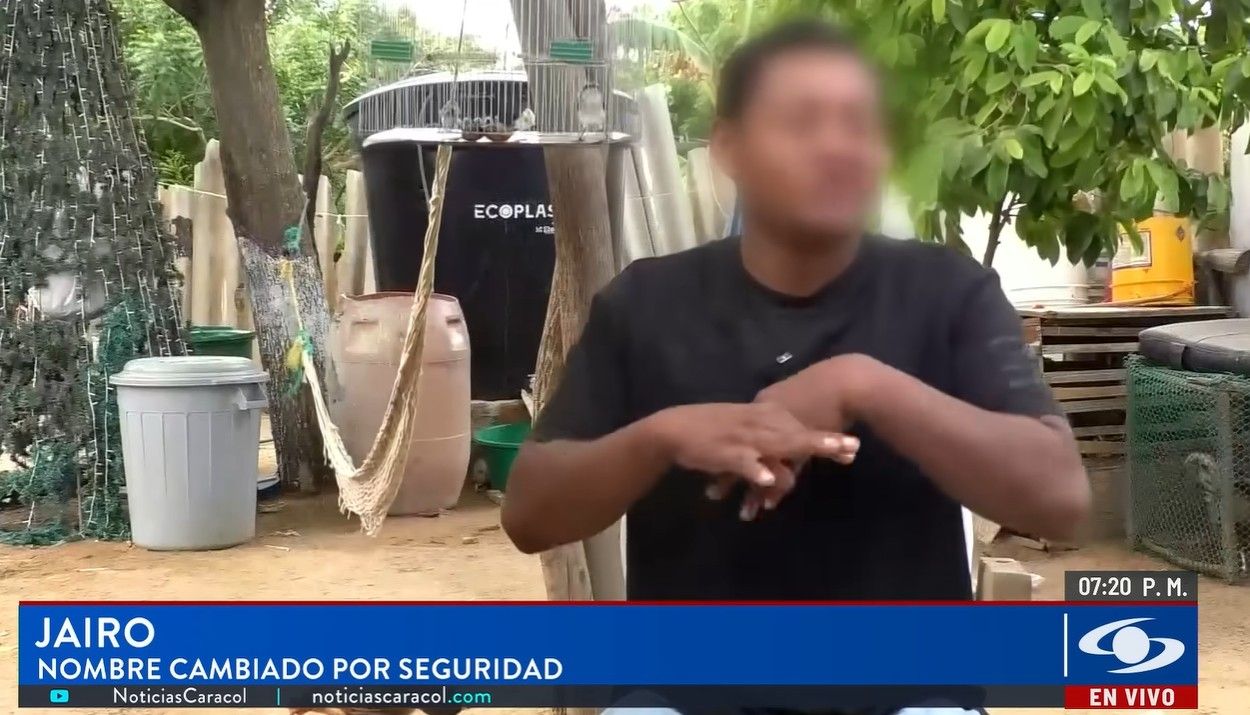
They were taken to a building in Bogotá's Fontibón neighbourhood with dozens of others, then moved south.
The Route
The recruitment chain didn't end in Bogotá. One of the principal recruiters, a man identified by Colombians as Miguel Peña, explains the routing in a video obtained by Noticias Caracol: "The stopovers can be through Panama or through Peru and then to Brazil. From Brazil they rest a day. Then it can be Morocco, India, or wherever the Russians decide is safe to travel through - but mostly they're countries allied with Russia."
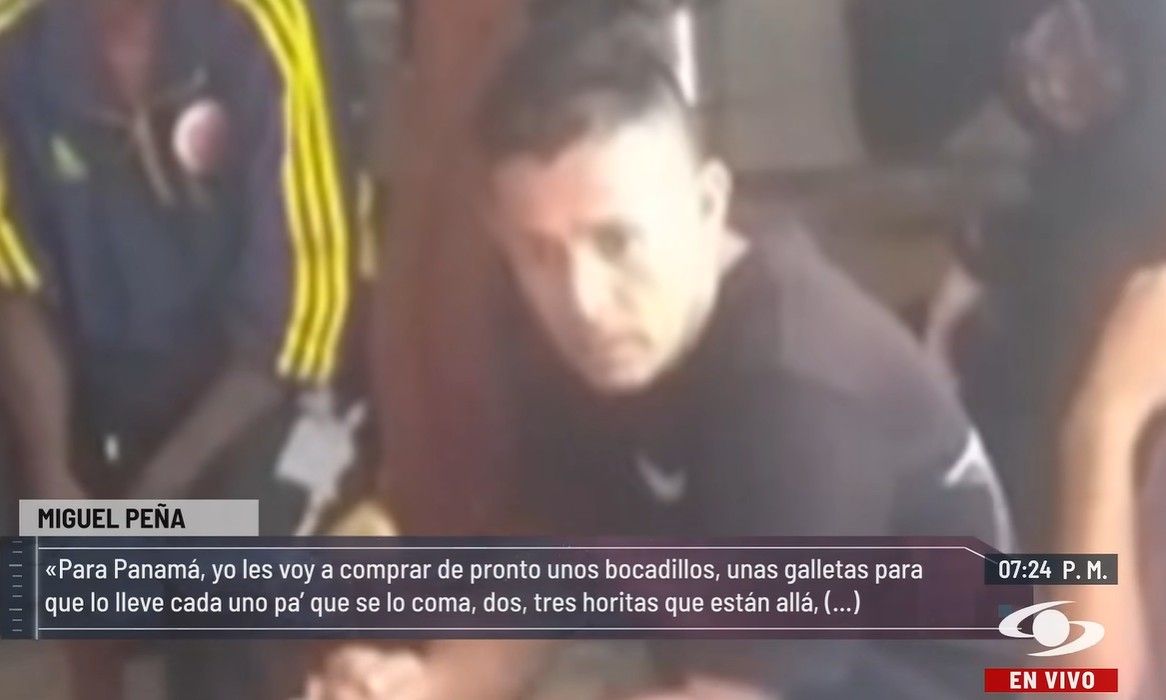
Recruits were instructed on what to tell immigration officers. "When you get to immigration they'll ask, 'Where are you going?' You say, 'Brazil.' 'What part?' 'São Paulo.' Immigration doesn't ask anything more after that."
Jairo's group followed this route. In São Paulo, a local recruiter met them, took them to a house, gave them food. Then came the flight to Dubai, then Russia.
While waiting in Brazil, Jairo saw a TikTok claiming the payments were false. He fought with his brother Oscar - physically, screaming at him not to board - and lost. He ran to Brazil's federal police, tried to explain in Spanish that his brother was being taken into a war. They did not understand.
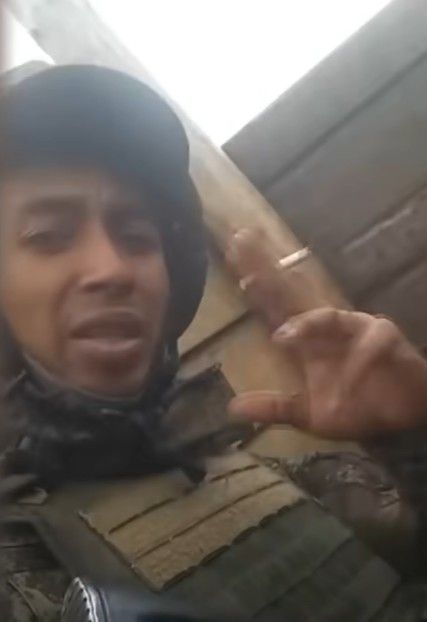
Jairo managed to get himself back to Colombia. Days later, Oscar confirmed from Russia that they had been lied to and were being mistreated. "He told me to help him get out, that they were doing a lot of bad things to him, that it wasn't what had been promised." Jairo confronted Miguel Peña and asked him to return Oscar. The response was a threat: "Don't underestimate the Russians or we'll find you in Colombia and kill you." Since May 16, Jairo has heard nothing from his brother.
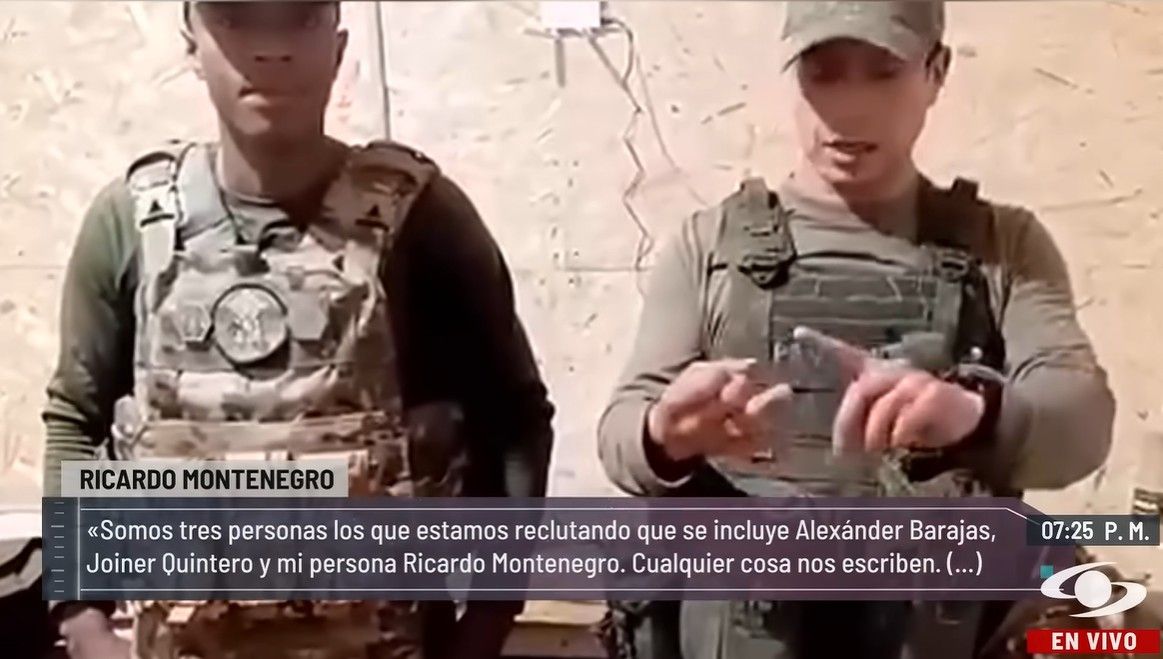
Another recruiter, Joiner Quintero, appeared openly in videos alongside Alexander Barajas and Ricardo Montenegro announcing: "We're working directly with the Russian Federation and with the general, the Chief of Staff." Quintero announced the creation of a Colombian-only battalion - which, by Russian military standards, means between 600 and 800 men.
The Contracts Russia Says Don't Exist
Colombians who went through the pipeline provided Noticias Caracol with the contracts they signed. The documents bear the logos and official seals of Russia's Armed Forces and the Ministry of Defense. One specifies the recruit's rank and role within the Russian military. Another states the obligations clearly: "Serve selflessly to the people of the Russian Federation. Defend with courage and skill the Russian Federation."
The contracts are signed by Russian military officers. One is signed by Major Vladimir Lomakin, head of the military selection point for the city of Lipetsk.
When Noticias Caracol contacted the Russian Embassy in Colombia, the response was categorical: "The Russian Embassy in Colombia does not engage in any management related to the contracting of foreign citizens to perform military service in the Armed Forces of Russia."
Cannon Fodder by Design
Ilya Nuzov, Director of the East Europe and Central Asia section of the International Federation for Human Rights (FIDH) based in Paris, told Noticias Caracol that Russia is losing between 30,000 and 40,000 personnel per month - killed and wounded combined. Foreign recruitment is a direct response to that attrition.
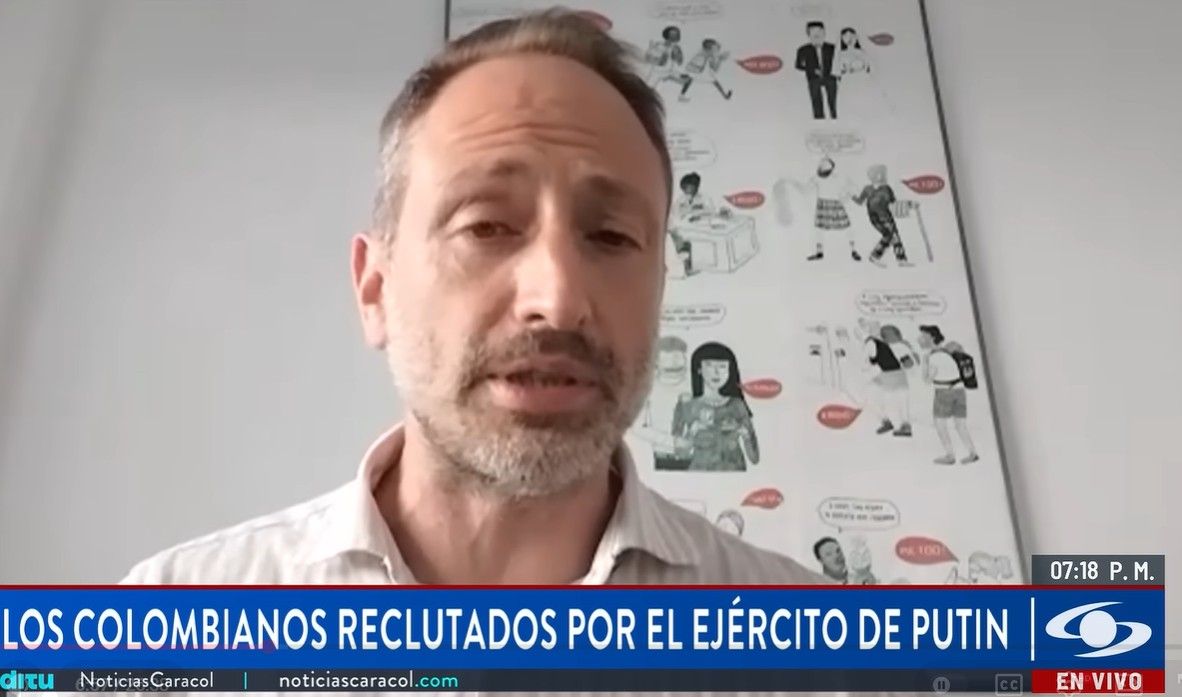
"This is predatory recruitment," Nuzov said, "because Russia is essentially hunting anyone physically fit who is willing to sign a contract with the Ministry of Defense to go and fight in Ukraine."
The specific tactic that makes foreign recruits so expendable is what Russian commanders call "meat attacks." As Nuzov explained: "Cannon fodder means sending men to the front practically to die. They will be sent in one direction to identify Ukrainian positions, but they won't return because the chances of survival are practically zero."
Men are deployed as a single-use instrument - advance, draw fire, reveal positions, die. No evacuation is planned. No extraction comes.
Andrés Macías, a researcher at Universidad Externado de Colombia and a member of the UN Working Group on Mercenaries, noted that the recruitment apparatus has deliberately evolved to obscure Russia's direct involvement: "Recruitment is increasingly indirect and relies on many intermediaries. There is extensive use of social media and of internal networks of people already involved in these activities."
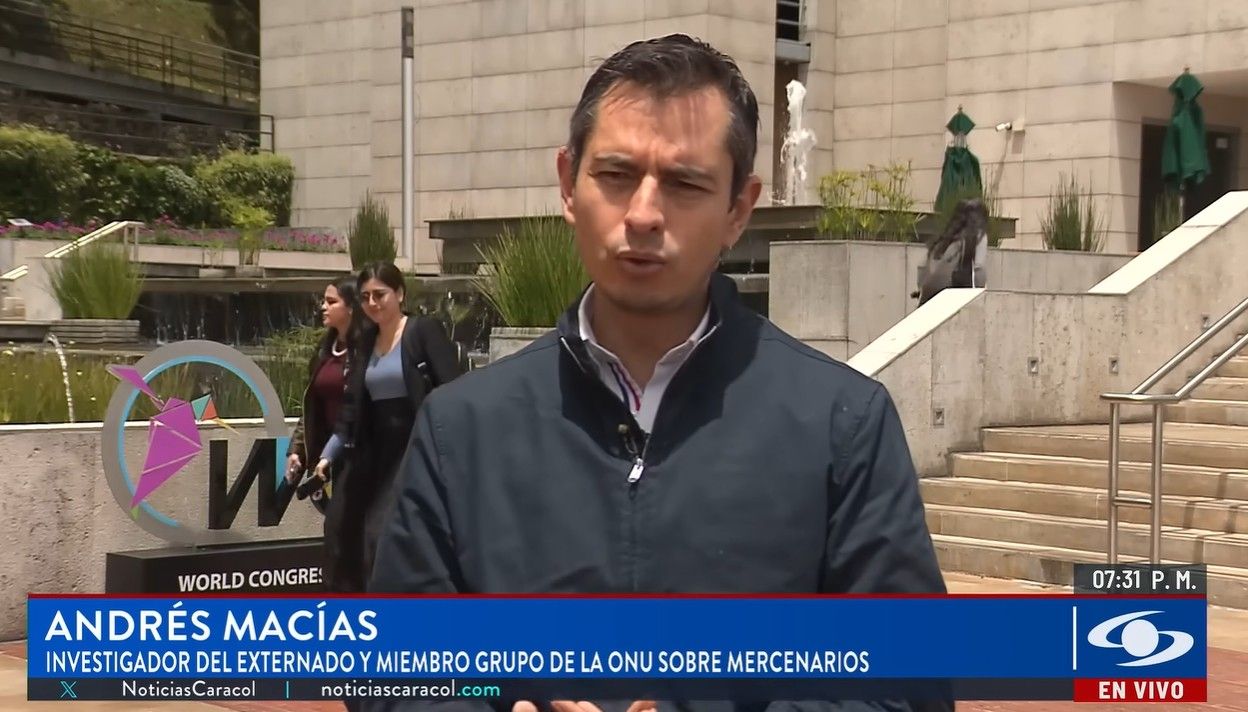
Colombia's Attorney General's office has received nearly 100 complaints from families of disappeared Colombians in Russia. Its Human Rights Unit has opened a preliminary investigation into the recruitment networks.
Sent to Die With No Training
One detail appears in every account: the men are sent to the front in days or weeks, with no meaningful military preparation.
Kevin Caicedo, 24 years old, from Palmira, Valle del Cauca, arrived in Moscow on May 8, 2026. He was at the front line in less than two weeks with no prior military experience.
Leonel Julio, 32, from Apartadó, arrived the same day. He had been told he would be guarding Russian battalion facilities. "They throw you into a mission, a practically suicidal mission, where you have to detect drones, you have to shoot, you have to kill people or be killed. This is a war, this is real. They brought us here to kill us. They didn't bring us here for anything else, just to die."
The Five Who Survived
These five - Kevin Caicedo, Alexander Oviedo (37, from Valledupar), Leonel Julio, his brother Diego Julio, Gustavo Andres Roa Leal - are among those whose testimonies this platform has previously documented. Their surrender was recorded by a Ukrainian military drone: five men walking slowly from a trench, holding white flags fashioned from their contracts, handing themselves over with their rifles.
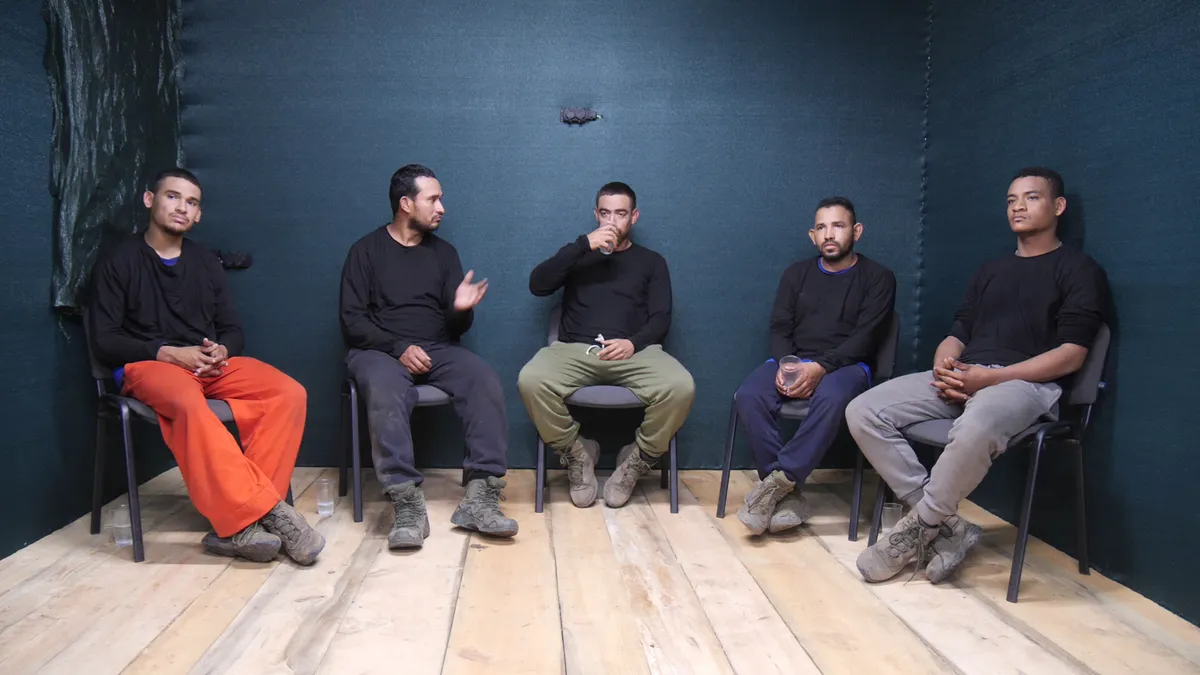
They were the lucky ones. Before surrendering, Alexander Oviedo spent seven days trapped in a dugout without food or water. "I drank my own urine," he said. "I found a can of food with worms. I had to eat it." His friend had been killed - a bomb landed directly on him. After that, Oviedo felt only panic.
Leonel Julio surrendered after learning that his brother Diego, who had been sent to the front immediately on arrival, had been shot twice in the feet and captured by Ukrainian forces - who then treated his wounds and kept him alive. That news - that surrender meant life, not death - is what led Leonel to gather the others and hand over their weapons. "We are humble people, people who didn't want to harm anyone," he said. "We decided to voluntarily surrender, and that's what we did."
They are now in Ukrainian military detention. Their father, Francisco Julio, speaking from Apartadó, said: "At least they're alive. But the big worry is that they're not here."
Miracles Are Rare
The survival of these five men was, by their own account and by any reasonable assessment of the conditions they described, a miracle. Hamilton León - still missing - described it in exactly those words from the field: "To get out of that field is a miracle."
Russia's covert recruitment pipeline is still operating. The shell companies change their names. The recruiters move their meeting points. The routes shift. The contracts keep being signed while Russian embassy denies their existence. And the men who arrive with promises of $35,000 and citizenship keep being sent into minefields within two weeks of landing, with four magazines and no evacuation plan.
Those who were trapped by Russia's military recruitment system don't have to wait for a miracle - as it hasn't come for hundreds of thousands of Russian servicemen killed. Explore the safe surrender option with the "I Want to Live" project to save your life or the life of someone dear to you who was lured into Russia's army.
Source: Noticias Caracol